Creating Captivating Sounds with Puja Music Production
- caglayan yildiz
- Dec 17, 2025
- 5 min read

Music has the power to evoke emotions, tell stories, and create unforgettable experiences. In the realm of music production, few genres are as rich and diverse as Puja music. This blog post will explore the art of creating captivating sounds within this unique genre, providing insights, techniques, and inspiration for aspiring producers and enthusiasts alike.
Understanding Puja Music
Puja music is deeply rooted in cultural and spiritual traditions, often associated with rituals and ceremonies. It encompasses a variety of styles, instruments, and vocal techniques, making it a fascinating area for music production.
The Essence of Puja Music
At its core, Puja music serves a purpose beyond entertainment. It is a medium for devotion, reflection, and connection to the divine. The sounds often include chants, hymns, and instrumental pieces that create an atmosphere conducive to meditation and worship.
Key Characteristics
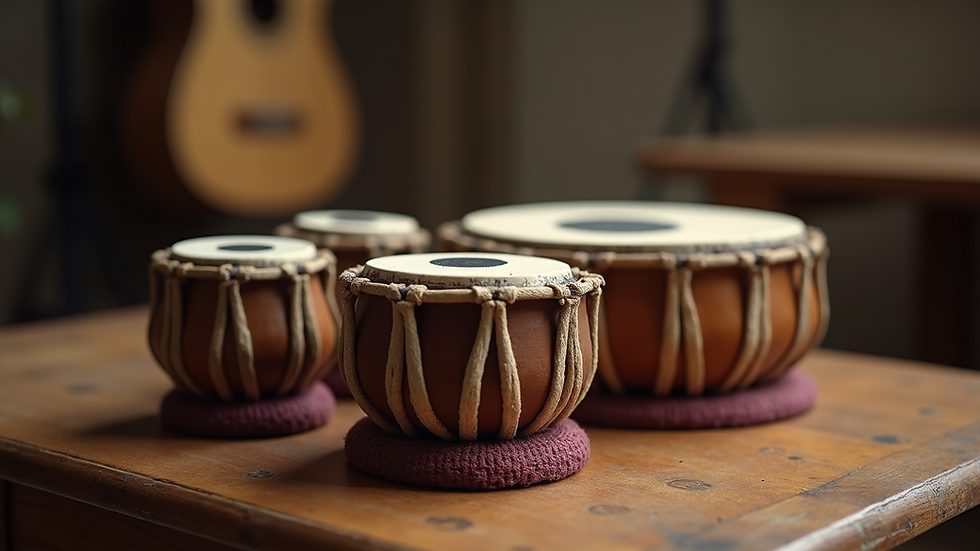
Instrumentation: Traditional instruments such as the harmonium, tabla, and flute are commonly used. Each instrument contributes a unique texture to the overall sound.
Vocal Techniques: The use of call-and-response patterns, layered harmonies, and melodic improvisation adds depth to the music.
Rhythmic Patterns: Puja music often features intricate rhythms that enhance the spiritual experience.
The Production Process
Creating captivating Puja music involves several steps, from conceptualization to final mixing. Here’s a breakdown of the production process.
Conceptualization
Before diving into production, it’s essential to have a clear vision. Ask yourself:
What emotions do you want to evoke?
What story do you want to tell?
Which instruments and vocal styles will best convey your message?
Pre-Production
During this phase, gather your resources:
Select Instruments: Choose the instruments that will form the backbone of your track. Consider both traditional and modern elements.
Gather Samples: Collect sounds that resonate with the theme of your music. This could include nature sounds, chants, or even field recordings from rituals.
Recording
Recording is where your ideas come to life. Here are some tips for a successful recording session:
Microphone Placement: Experiment with different microphone placements to capture the best sound. For example, placing a microphone close to a tabla can highlight its intricate rhythms.
Layering Sounds: Don’t hesitate to layer multiple tracks. This can create a fuller sound and enhance the emotional impact of your music.
Mixing
Mixing is crucial in achieving a polished sound. Here are some techniques to consider:
EQ and Compression: Use equalization to carve out space for each instrument. Compression can help control dynamics and ensure a balanced mix.
Reverb and Delay: Adding reverb can create a sense of space, while delay can enhance rhythmic elements. Be mindful not to overdo it; subtlety is key.
Mastering
The final step in the production process is mastering. This involves preparing your track for distribution by ensuring it sounds great on all playback systems.
Tools and Software for Puja Music Production
In today’s digital age, there are numerous tools and software available for music production. Here are some popular options:
Digital Audio Workstations (DAWs)
Ableton Live: Known for its intuitive interface and powerful features, Ableton Live is great for both live performances and studio production.
FL Studio: This DAW is user-friendly and offers a wide range of plugins, making it suitable for beginners and experienced producers alike.
Plugins and Virtual Instruments
Native Instruments Komplete: This collection includes a variety of virtual instruments and effects that can enhance your Puja music.
EastWest Quantum Leap: Known for its high-quality orchestral sounds, this plugin can add depth to your compositions.
Inspiration from Traditional Puja Music
To create captivating sounds, it’s essential to draw inspiration from traditional Puja music. Here are a few examples of how you can incorporate these elements into your productions:
Traditional Chants
Incorporating traditional chants can add authenticity to your music. Consider using samples of chants from various cultures, or even recording your own.
Instrumental Melodies
Listen to traditional instrumental pieces and analyze their structure. Pay attention to how melodies are constructed and how they interact with rhythms.
Field Recordings
Field recordings can add a unique texture to your music. Capture sounds from nature, rituals, or community gatherings to create an immersive experience.
Collaborating with Artists
Collaboration can elevate your music production to new heights. Working with vocalists, instrumentalists, or other producers can bring fresh perspectives and ideas. Here are some tips for successful collaboration:
Finding the Right Collaborators
Look for artists who share your vision and passion for Puja music. Attend local events, workshops, or online forums to connect with like-minded individuals.
Communication
Clear communication is key to a successful collaboration. Discuss your ideas, expectations, and creative processes to ensure everyone is on the same page.
Embrace Diversity
Collaborating with artists from different backgrounds can lead to innovative sounds. Embrace diverse influences and be open to experimenting with new styles.
The Role of Technology in Puja Music Production
Technology has transformed the way we create and consume music. Here are some ways technology impacts Puja music production:
Accessibility
With the rise of digital platforms, it’s easier than ever to share your music with a global audience. Consider using platforms like SoundCloud, Bandcamp, or YouTube to showcase your work.
Online Learning
There are countless resources available for learning music production online. Websites like Coursera, Udemy, and YouTube offer courses and tutorials that can help you improve your skills.
Virtual Collaboration
Technology enables collaboration across distances. Use tools like Zoom or Google Meet to connect with collaborators from around the world.
Challenges in Puja Music Production
While creating captivating sounds can be rewarding, it also comes with its challenges. Here are some common obstacles producers may face:
Cultural Sensitivity
When working with traditional music, it’s essential to approach the subject with respect and understanding. Research the cultural significance of the music you’re producing and ensure you’re honoring its roots.
Balancing Tradition and Innovation
Finding the right balance between traditional elements and modern production techniques can be tricky. Experiment with different approaches, but always stay true to the essence of Puja music.
Technical Limitations
Not every producer has access to high-end equipment. However, creativity can often overcome technical limitations. Focus on your skills and resourcefulness to create captivating sounds.
Conclusion
Creating captivating sounds with Puja music production is a journey filled with exploration, creativity, and connection. By understanding the essence of the genre, mastering the production process, and embracing collaboration, you can craft music that resonates deeply with listeners.
As you embark on your musical journey, remember to stay true to the traditions that inspire you while also allowing your unique voice to shine through. The world of Puja music is vast and rich, waiting for you to contribute your own captivating sounds.


Comments